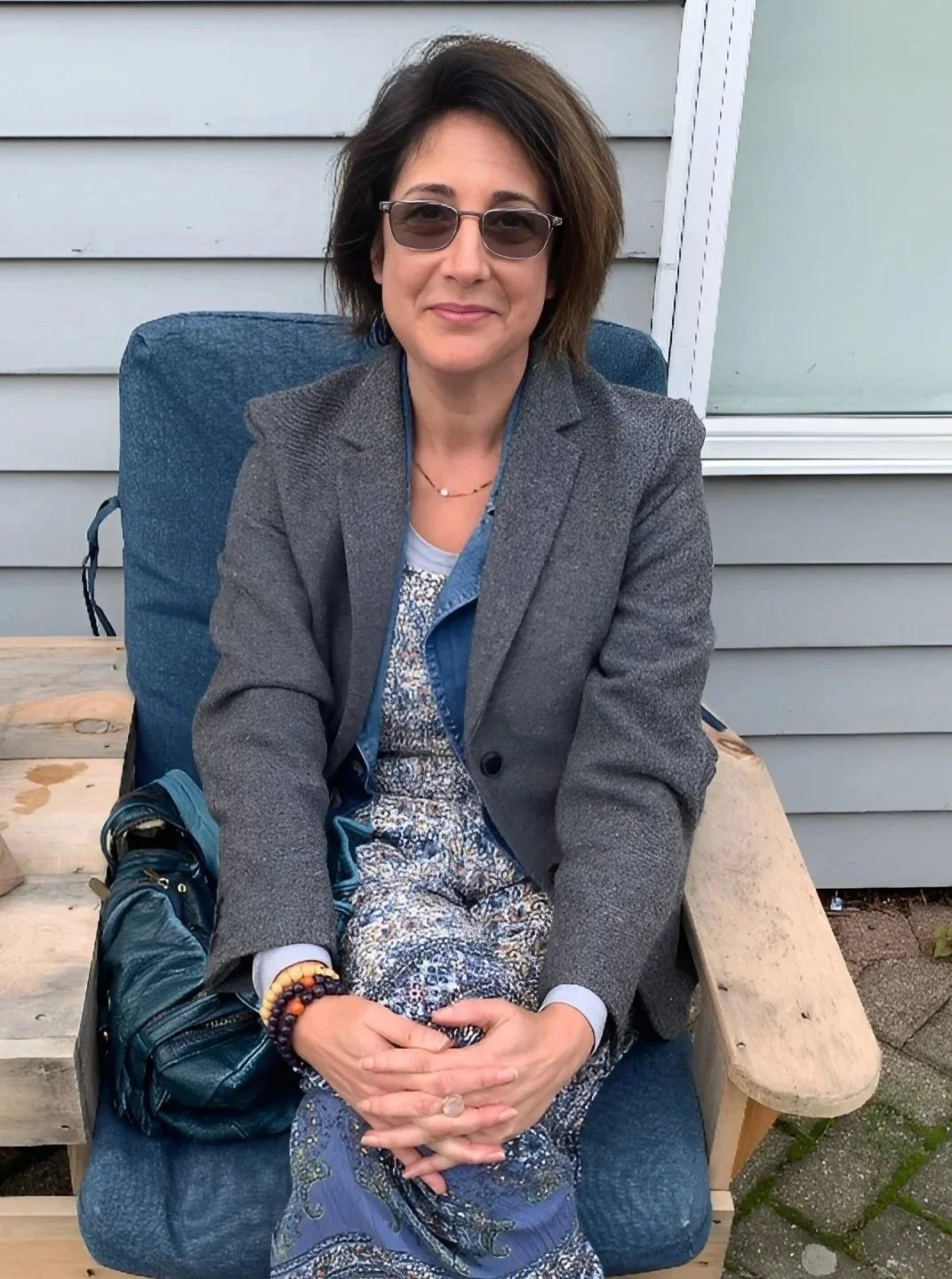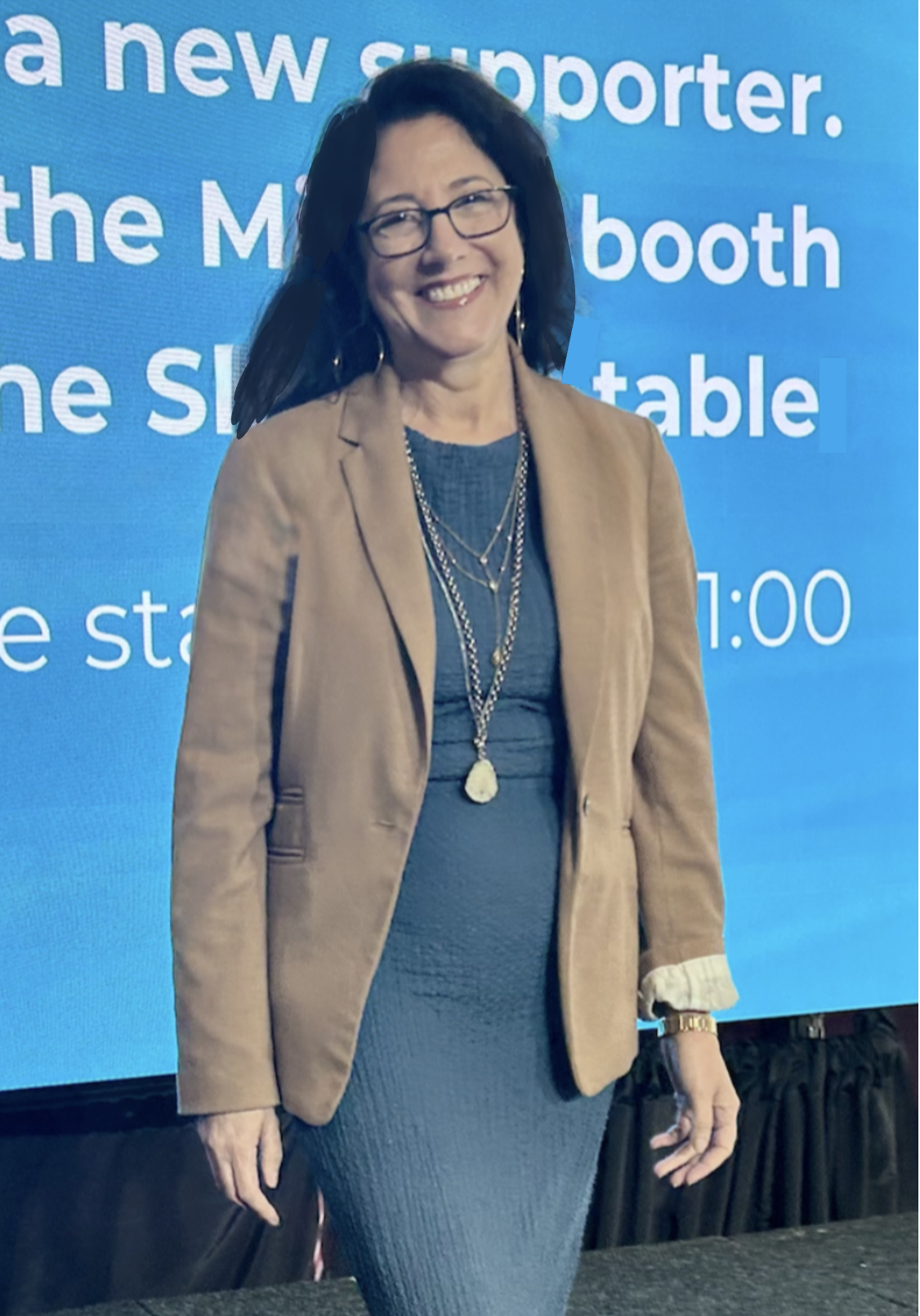
Susan E. Munter
Working while neurodivergent can be a conundrum. Whether you have ADHD, bipolar, OCD, or schizophrenia, everything is different when you are neurodivergent – especially work. And as you move up the ladder, it only becomes more complicated. As your Career Navigator, I put your core difference, your neuro difference, at the heart of managing your career so you can have a life that is stable, solvent, and meaningful.
Become a beta tester for my new program.
work advice to solve the career conundrum

Work. It’s a Puzzle.
work solutions that work with you
Few things bring more health and stability than meaningful work. But with neurodivergence, finding and managing a career can feel like solving a Rubik’s Cube. We rotate the options over and over, hoping the right combination will click into place. My goal as a Career Navigator is to provide a methodical approach, new options, and critical thinking for managing the work/neurodivergence interface.
Services
-

Career Navigator
Coach individuals, from those on SSDI to the C-suite, aligning diagnostic health, work, and personal life.
-

Corporate L&D Consultant
Lead organizational development initiatives, facilitate C-suite off-sites, and individual performance coaching.
-

Public Speaker
Deliver corporate keynote addresses, master classes, off-sites, and storytelling.
Workshop
Be Your Best Productive Self
The goal of this program is to help you create, sustain, and enhance a stable and satisfying livelihood. Below are five steps for aligning your health, work, and life, to be your Best Productive Self (BPS).
1.0 Measure
The purpose of the first step is to nail down key aspects of your diagnosis, its implications for your work, and your personal life. This process involves calculating your required or desired income and examining your work & health history.
2.0 Discover
The second step is an opportunity to discover strengths that have been forgotten, overlooked, or not yet fully realized. It is also a chance to identify what motivates and stifles your productivity. What sets you up for success that is both healthy and productive?
3.0 Imagine
The Imagine step gives us permission to play with what an ideal work life might look like. What do you love most about being productive? What are the results of your Best Productive Self (BSP)? How does being productive impact your life overall?
4.0 Articulate
In this step, we weave together key messaging from your findings to create your personal brand story. We will also discuss a strategy for disclosure based on your comfort level.
Owning our work story means integrating it into the rest of our life. In this final step, we focus specifically on aligning your work, health, and other key aspects of your life.
5.0 Own
Become a beta tester for my new program.
Discover Your Productivity IQ
RM
The Productivity IQ is an assessment of how productive you are. We measure our Intelligence Quotient (IQ) to assess cognitive abilities, and use Emotional IQ (EQ) to understand emotional regulation. Now the Productivity IQ (PIQ) assesses how effectively we manage our own productivity. You will learn not only what makes you most productive, but also how to make being productive easier.
Become a beta tester for my new program.
-
![]()
In the world of marketing and leadership, 'insightful' is a word people throw around when they have nothing else to say. Susan actually earns it. Her ability to challenge a room of successful entrepreneurs is legendary. She’s the speaker you hire when you’re ready to stop talking about growth and start doing the hard work of actually growing."
— Dan Newman, CEO, Learn to Scale | Former COO, Startup Boston
-
![]()
Susan was a driving force for me getting out of bed in the morning and being productive dad again. All along the way, her diligence and follow through is why I didn’t fall back. She still checks in now, even though I’m stable.
– Paul, Trainer, Elite Athletes, Bipolar, ADHD, Washington, DC
-
![]()
Holding onto my job meant everything to me. But it was a scary time; I was still drinking and in an unhealthy relationship. And there was no way I was going back to a hospital. Susan set me up for success at work, which led to her helping me with better choices in other areas of my life. I couldn’t have done it without her. She even found a program I felt comfortable enough to join. My mental health will always be a challenge, but it helps knowing Susan is on my team. She’s one of the few people who actually gets it.”
– Sadie, Teacher, Bipolar, ADHA, Seattle, WA
-
![]()
I live with persistent hallucinations. In all my time working with Susan, she was incredibly attentive, empathetic, and energetic. She was always there for me, even in my darkest moments. I live in the rural south with minimal health services. Susan got into the nitty-gritty of finding new care options within my insurance and helping me get more out of my current care. Susan also has a great sense of humor!
– Lisa, District Sales Manager, Bipolar, Schizoaffective symptoms, Georgia


“Well-meaning coaches tell me to be my most authentic self. But they don’t understand that for me, authenticity means disclosure. I have zero confidence that companies today can deal with the disclosure of a neurodivergent person like me, so all that’s left is to fake it.”
– Tom
About
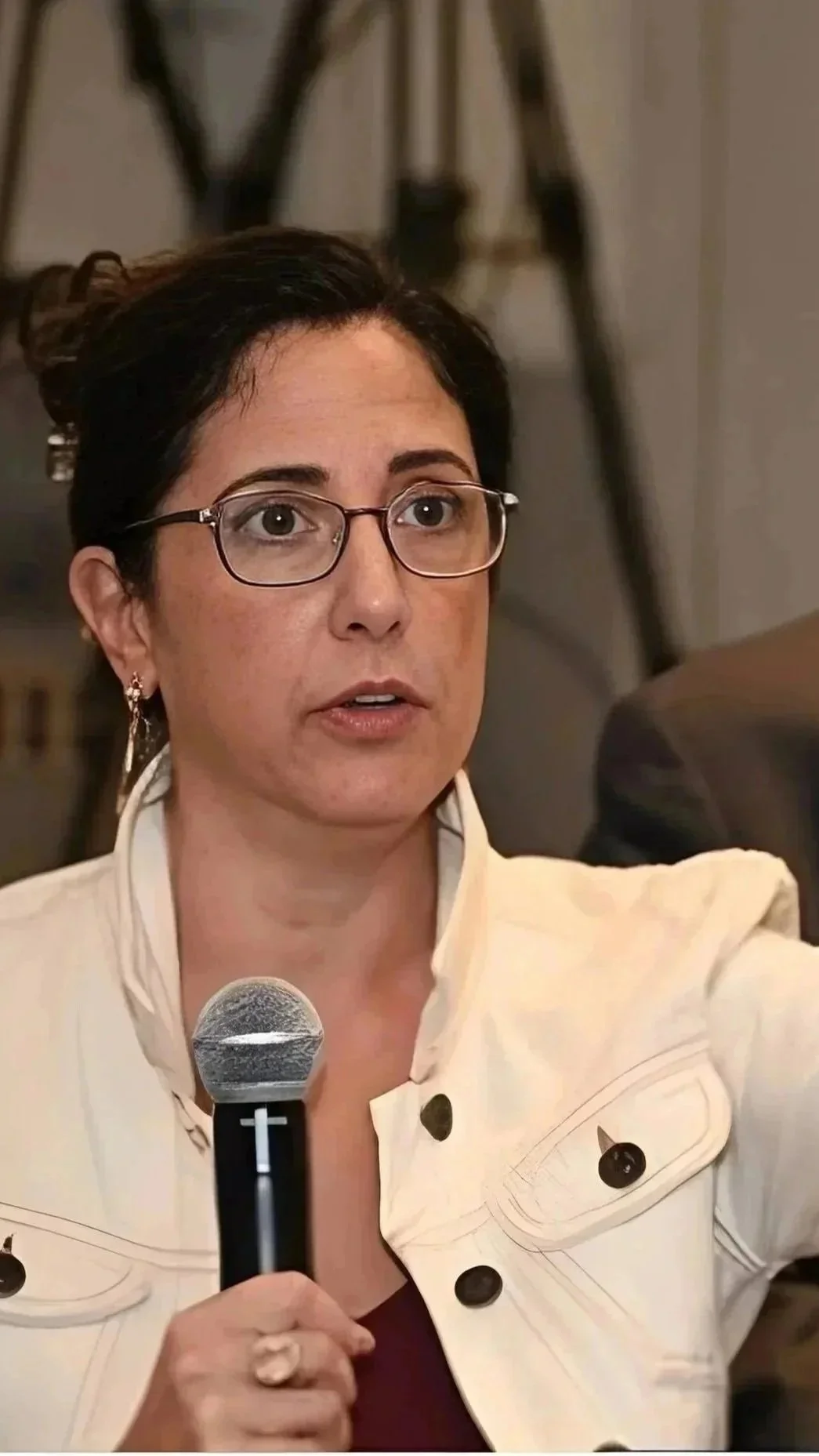
Susan listens for a living. As a veteran of the Boston agency arena, she has worked alongside the best and brightest at Digitas, Mullen, PJA, and Hill Holiday. In 2015, Susan founded the advertising firm Branding Band, which has launched 10 startup brands in biotech, professional services, and wellness. Susan is also a go-to resource for customer insights research of the Ultra-Lux consumer.
Susan has a dual BA in art history and psychology from Sarah Lawrence College and an MBA from Simmons University, where she graduated summa cum laude and as a Dean's Scholar. She trained with Dr. Gerald Zaltman in customer insights analysis at the Harvard Business School’s Minds of the Market lab. Her work has taken her across Europe, Asia, and Latin America.
Susan is a lay leader of the Bipolar Social Club, a NAMI-certified Connection support facilitator, and a certified Mental Health First Aid responder. She is also a member of PFLAG, supporting families in the LGBTQ community.